Industrial storage tanks play a vital role in industries such as oil and gas, petrochemicals, chemical manufacturing, and fuel storage. However, tank cleaning operations can release significant amounts of volatile organic compounds (VOCs) into the atmosphere if not managed properly. These emissions pose environmental, regulatory, and occupational health challenges, making industrial emissions control a top priority for facility owners and operators.
Fortunately, advances in tank cleaning technology, vapor recovery systems, and robotic equipment now allow companies to dramatically reduce VOC emissions while improving efficiency and worker safety. By adopting modern emissions control strategies, industrial facilities can minimize environmental impact, comply with regulations, and optimize maintenance operations.
In this article, we’ll explain how VOC emissions occur during tank cleaning, why they matter, and the most effective industrial emissions control methods available today.
What Are VOC Emissions?
Volatile Organic Compounds (VOCs) are organic chemicals that easily evaporate into the atmosphere at normal temperatures. Many petroleum products, fuels, solvents, and industrial chemicals contain VOCs.
During tank cleaning, disturbing residual sludge and product deposits can release these compounds into the air.
Common VOC sources include crude oil storage tanks, refined fuel tanks, chemical storage vessels, petrochemical processing equipment, and industrial solvent storage.
Without proper containment, these emissions contribute to air pollution and may create health and safety hazards for workers.
Why Industrial Emissions Control Matters
Effective industrial emissions control protects more than regulatory compliance. It supports safer workplaces, environmental stewardship, and operational efficiency through reducing VOC emissions.
By reducing VOC emissions, facilities can improve worker safety, meet environmental regulations, lower environmental liability, reduce odor complaints, and support sustainability initiatives that protect surrounding communities.
Companies that proactively manage emissions also strengthen their reputation with customers, regulators, and stakeholders.
Understanding VOC Risks During Tank Cleaning
Tank cleaning involves removing sludge, hydrocarbons, sediments, and chemical residues that accumulate during normal operations.
As tanks are opened and cleaned, VOCs may be released through product evaporation, sludge agitation, pressure changes, equipment access points, and various waste handling activities.
Without appropriate controls, emissions can increase significantly throughout the cleaning process.
Advanced Industrial Emissions Control Technologies
Modern maintenance projects increasingly combine multiple technologies to reduce airborne emissions while maintaining productivity.
Vapor Recovery Systems
Vapor recovery units (VRUs) capture VOCs before they escape into the atmosphere.
These systems collect hydrocarbon vapors to either recover valuable product, condense vapors for reuse, or destroy emissions using approved treatment technologies.
This approach not only reduces emissions but can also improve product recovery and lower waste.
Closed-Loop Tank Cleaning Systems
Closed-loop cleaning systems minimize exposure by keeping products and vapors contained throughout the cleaning process.
The benefits of these systems include reduced VOC release, improved worker safety, better waste management, and cleaner work environments.
These systems are increasingly used at refineries and bulk storage facilities where emission reduction is a priority.
Robotic Tank Cleaning
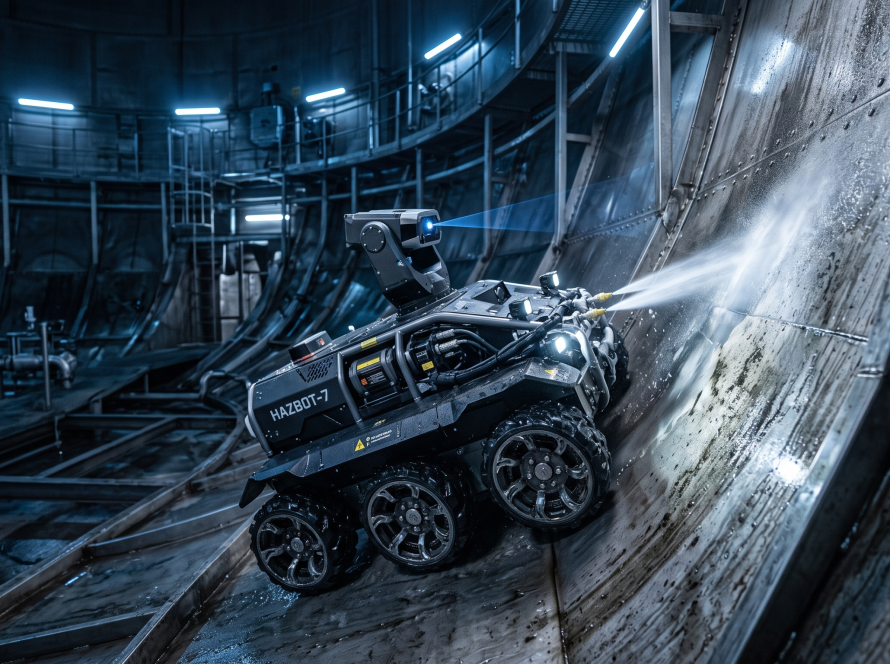
One of the most significant advances in industrial emissions control is robotic tank cleaning.
Remote-operated robotic equipment allows tanks to be cleaned without extensive confined space entry, reducing both worker exposure and unnecessary tank openings.
Advantages of this approach include less vapor release, shorter cleaning times, reduced confined space entry, improved sludge removal, and enhanced operational safety.
Robotic systems can also improve consistency while minimizing environmental impact.
Proper Tank Isolation Before Cleaning
Preparation is essential for successful emissions control.
Before cleaning begins, facilities should isolate the tank from active process systems, remove remaining product safely, depressurize according to established procedures, monitor atmospheric conditions, and install appropriate vapor containment equipment.
Proper planning helps reduce uncontrolled releases throughout the project.
Continuous Air Monitoring
Air monitoring is an essential component of any VOC reduction program.
Industrial hygiene teams continuously monitor VOC concentrations, oxygen levels, combustible gases, toxic substances, and worker exposure.
Continuous monitoring provides real-time information that helps crews respond quickly if emission levels increase unexpectedly.
Sludge Removal Best Practices
Tank sludge often contains trapped hydrocarbons that continue releasing VOCs during handling. These persistent organic compounds can migrate into the air as the material is disturbed, making the extraction phase one of the most critical stages for emissions control.
Effective sludge management includes controlled pumping, covered transport containers, vacuum recovery systems, proper waste storage, and timely disposal or recycling.
Utilizing vacuum recovery ensures that vapors are captured at the point of origin, while covered containers prevent passive evaporation during transit across the facility.
Careful handling significantly reduces secondary emissions during waste removal. By integrating these best practices into the operational workflow, industrial facilities can minimize the environmental footprint of their maintenance activities and maintain strict compliance with air quality standards.
Employee Training Supports Better Emissions Control
Technology alone cannot eliminate emissions.
Well-trained personnel understand proper cleaning procedures, equipment operation, vapor recovery systems, emergency response, and environmental compliance requirements.
Regular training ensures emissions control measures are applied consistently across every project.
Regulatory Compliance for VOC Emissions
Industrial facilities must comply with numerous federal, state, and local environmental regulations governing air emissions.
Key compliance considerations include air quality permits, hazardous waste handling, worker exposure limits, emission reporting requirements, and environmental documentation.
Maintaining thorough records and using proven emissions control technologies can simplify compliance and reduce regulatory risk.
Business Benefits Beyond Compliance
Investing in industrial emissions control delivers measurable operational advantages beyond meeting legal requirements.
Organizations often experience lower cleanup costs, reduced maintenance downtime, improved asset reliability, better employee safety performance, enhanced ESG performance, and greater operational efficiency.
Modern emissions control solutions often provide long-term cost savings while supporting corporate sustainability goals.
Choosing an Experienced Tank Cleaning Partner
Reducing VOC emissions requires specialized expertise, advanced equipment, and detailed planning.
When selecting a tank cleaning contractor, consider their experience with industrial tank cleaning, robotic cleaning capabilities, vapor recovery technology, safety record, regulatory knowledge, environmental management expertise, and customized project planning.
An experienced provider can recommend the most effective emissions control strategy based on your facility, stored materials, and operational objectives.
Conclusion
Reducing VOC emissions during tank cleaning is no longer just a regulatory obligation—it is a critical component of modern industrial operations.
By implementing advanced industrial emissions control strategies such as vapor recovery systems, closed-loop cleaning methods, robotic tank cleaning, continuous air monitoring, and proper sludge management, facilities can significantly reduce environmental impact while improving worker safety and operational efficiency.
These proactive measures also help organizations strengthen compliance, lower long-term costs, and support sustainability initiatives.
At RJ MacLean, we specialize in advanced industrial tank cleaning solutions that prioritize safety, environmental responsibility, and operational excellence. Our experienced team utilizes cutting-edge robotic tank cleaning technologies and emissions control practices to help clients complete maintenance projects efficiently while minimizing VOC releases. Contact Us at RJ MacLean today to learn how our industry-leading expertise and availability can help your facility achieve safer, cleaner, and more compliant operations.